
We’re building a clean energy future with innovative, low-carbon solutions.
We are committed to supporting growing demand for energy in our communities while helping enable a clean energy future - without compromising reliability or affordability. Our sustainability strategy is focused on three key areas: efficient homes and businesses, cleaner molecules and superior operations.
Atlanta Gas Light has set a goal to reduce direct (Scope 1) greenhouse gas emissions from its utility operations to net zero by 20501. But this is just one piece of the puzzle as our world moves toward a clean energy future. By collaborating across the energy industry to help reduce emissions from the entire natural gas supply chain, we can help fuel a sustainable future.
Efficient Homes and Businesses
We support emissions reductions and increased energy efficiency in homes and businesses. Energy efficiency is one of the most effective ways to reduce emissions—the cleanest molecule of energy is one you never use. Building on that foundation, we invest in research, development and strategic partnerships that drive new technologies to further decarbonize homes and businesses. At the same time, we remain committed to affordability, helping ensure natural gas continues to be a reliable and accessible energy source for both large corporations and our local communities. Together, these efforts help our customers save energy, reduce costs and support a cleaner, more sustainable future.


Cleaner Molecules
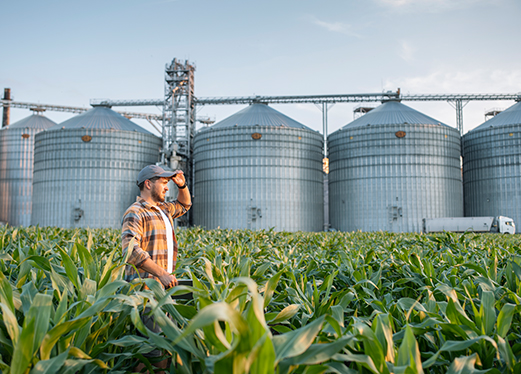
To reach a lower-carbon future, we are seeking opportunities to source natural gas from suppliers who have committed to lowering the emissions from their operations, while also seeking opportunities to support renewable fuels. We are advancing cleaner energy solutions through Renewable Natural Gas (RNG), sustainable gas sourcing and low‑carbon hydrogen. RNG, produced from the decomposition of organic matter from landfills, agriculture and wastewater treatment facilities, can be used interchangeably with conventional natural gas—and we are already incorporating it into our systems with plans to expand over time.
We also work with suppliers who are reducing methane emissions across the value chain to help ensure a more sustainable energy supply. Looking ahead, low‑carbon hydrogen offers additional potential to reduce greenhouse gas emissions by blending into existing natural gas infrastructure or through dedicated pipelines, helping us deliver cleaner energy to the communities we serve.

Renewable Natural Gas is produced from the decomposition of organic matter from landfills, agriculture and wastewater treatment facilities.
Superior Operations
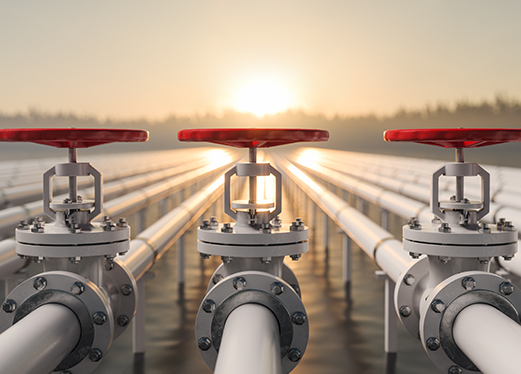
We leverage the latest technologies to prevent, identify and mitigate emissions. We are focused on continuously improving our operations to reduce environmental impact and enhance system performance. Through direct measurement, we are establishing precise, science‑based baselines for methane emissions to better target emission reduction opportunities and track progress —supported by our participation in GTI Energy’s Veritas initiative. Our long‑term infrastructure modernization efforts have already produced a 99.8% efficient gas distribution system, and we continue to replace older pipelines and adopt cleaner operational practices, such as cross compression and alternative fuels, to further reduce emissions. In addition, advanced leak detection and repair technologies enable us to identify and address potential issues more quickly and effectively, supporting the safety, reliability and sustainability of our energy delivery systems.
1Our ability to achieve this goal is dependent on many factors, many which are outside our control, including load growth, energy policy and regulations, natural gas prices, customer demand for carbon-free energy and the development and deployment of low-to-no-GHG energy technologies.